어제 내가 100세인 운동차원에서 매주 토요일 방문하고 있는 R(Rest)교회에서 몇 달전 ,이름이 내게 익숙한 존 카트만의 이름과 이론을 가지고 아주 호기심 넘치도록 만들었었던 그 척추 신경 전문의이신 Dr 신의 강의가 있었다.
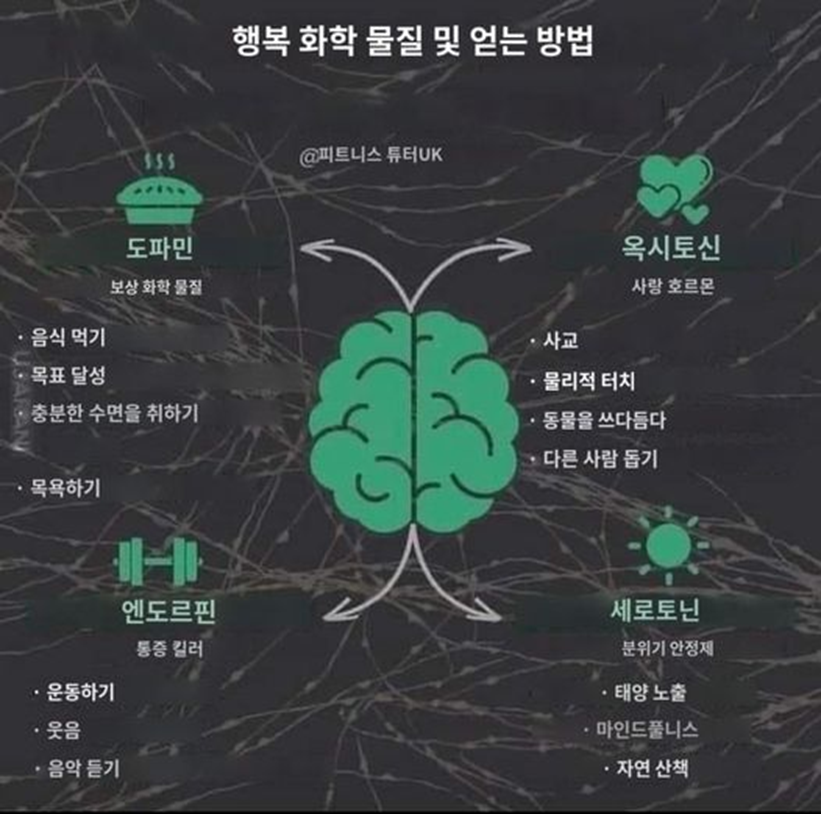
그 분이 뇌의 과적합(Overfitting brain hypothesis)과 그 해결책 3가지를 가지고 또 남녀관계와 가족, 그리고 대인관계에서 꼭 생각해야할 것들과 인체호르몬 옥시토신의 존재의 중요성 등에 대해서 이야기했다.
그리고 우리 코칭 분야의 전문가들이 심화학습해야할 기술인 고정관념,틀깨기, 인식전환, 제한적 신념이나 부정적 신념,관점전환등을 다루는 것과 같은 내용을 과적합이론에 서 다룬 것이 나의 호기심을 크게 자극하였다.
코칭분야에서는 강력하거나 심도깊은 통찰 질문, 또는 비유나 은유등을 사용하는 기량을 체득하는 것을 행동 지표로 삼고있기도하다.
나의 호기심으로 오픈AI에게 과적합이론 해결책3가지를 나의 호기심을 위해 나도 물어보았다. 아래글에 옮겨본다.
여기에는 안 나오지만 DR 신이 예로 들은 성경말 “고린도전서 9장 19절에서 22절 말
[19] 내가 모든 사람에게서 자유로우나 스스로 모든 사람에게 종이 된 것은 더 많은 사람을 얻고자 함이라.
[20] 유대인들에게는 유대인과 같이 된 것은 유대인들을 얻고자 함이요, 율법 아래에 있는 자들에게는 내가 율법 아래에 있지 아니하나, 율법 아래에 있는 자 같이 된 것은 율법 아래에 있는 자들을 얻고자 함이요.
[21] 율법 없는 자들에게는 내가 하나님께는 율법 없는 자가 아니요, 도리어 그리스도의 율법 아래에 있는 자이나, 율법 없는 자 같이 된 것은 율법 없는 자들을 얻고자 함이라.
[22] 약한 자들에게는 약한 자와 같이 된 것은 약한 자들을 얻고자 함이요, 내가 여러 사람에게 여러 모양이 된 것은 아무쪼록 몇 사람이라도 구원하고자 함이니.
이 말씀은 코칭의 철학 코칭은 온전히 고객의 입장에서 고객에게만 집중하고 고객의 언어와 생각을 위해 존재하여 코치의 생각이나 지식을 말하지 아니한다는 자세,사상과 일맥상통한다.
코칭은 누구를 가르치거나 조언하거나 해결책을 제시하거나 답을 주는 것이 아니고 고객 이 스스를 탐색하며 답을 찾아내고 실행 설계를 하도록 상호 협력관계의 수평적 파트너십을 가지고 진행하는 목적있는 만남의 대화이다.
그러므로 특별한 교육과 훈련이 필요되는 전문분야이다.
예수님도 이런 일에 아주 전문적이었다 한다.
참고로 Dr 신의 강의를 링크해서 소개한다. https://www.youtube.com/live/88IcK5QzmMU?si=mmgblfnt75JDE9tk
"Overfitting brain hypothesis"에 따르면, 뇌가 너무 많은 데이터를 가지고 있어 문제를 정확히 일반화하지 못하고, 과적합(overfitting)이 일어나면 학습에 방해가 됩니다. 이를 해결하기 위한 세 가지 방법이 제시되는데요:
- 데이터 삭제: 과도한 데이터를 줄이는 과정입니다. 우리 뇌에서는 옥시토신이 이 역할을 한다고 해요. 옥시토신은 신경망의 불필요한 연결을 약화시키거나 삭제함으로써, 불필요한 정보를 정리하고 새로운 학습을 위한 공간을 만들어 줍니다.
- 확률을 넓게 가지기: 특정 답변이나 해석에 얽매이지 않고 다양한 가능성을 고려하는 방식입니다. 이는 고정된 사고에서 벗어나 좀 더 유연한 판단을 하게 만듭니다.
- 익숙하지 않은 손상된 프로그램 주입하기: 익숙한 패턴에서 벗어나 뇌가 새로운 자극에 적응하도록 만드는 과정입니다. 이는 뇌의 회복력과 적응력을 강화시키는 데 도움을 줍니다.
결론적으로, 뇌가 새로운 정보를 효과적으로 처리하기 위해 불필요한 데이터를 정리하는 옥시토신 같은 자연적인 조율 메커니즘이 중요하다고 볼 수 있죠. 뇌도 마치 과적합된 모델처럼 정리와 최적화를 필요로 한다는 재미있는 이론이에요.
예수님께서 대화하시는 방식 중에는 사람들이 익숙하지 않거나 기존의 사고방식을 흔드는 방식이 자주 등장합니다. 이는 기존의 틀에 갇혀 있던 사람들에게 새로운 시각을 제시하고, 사고의 전환을 일으키는 "익숙하지 않은 손상된 프로그램"을 주입하는 것과 비슷하다고 볼 수 있습니다. 다음은 몇 가지 사례입니다.
1. 비유를 통한 대화
예수님은 종종 일상적인 삶의 예를 비유로 들어서 사람들이 예상치 못한 깨달음을 얻게 하셨습니다. 예를 들어, “선한 사마리아인”(누가복음 10:25-37) 이야기는 유대인들이 당시 천대하던 사마리아인을 영웅으로 제시함으로써 편견과 선입견을 깨뜨렸습니다.
- 익숙하지 않은 점: 유대인들에게는 사마리아인이 "악한 이웃"이라는 인식이 강했는데, 예수님은 선한 사마리아인을 통해 사랑과 자비의 본질을 가르치셨습니다.
- 손상된 프로그램: 기존의 인종적/문화적 편견을 흔들고, 참된 이웃 사랑이란 무엇인지 다시 생각하게 만드셨습니다.
2. 율법 해석을 뒤집는 발언
마태복음 5장(산상수훈)에서 예수님은 기존의 율법을 더욱 깊은 차원으로 확장하셨습니다.
예: **“살인하지 말라”**는 율법을 언급하며, 단순히 사람을 죽이는 것만이 아니라 형제를 미워하는 것도 살인의 죄와 같다고 말씀하십니다.
- 익숙하지 않은 점: 겉으로 보이는 행위(살인)만이 아니라 내면의 동기(미움)까지 문제 삼으셨습니다.
- 손상된 프로그램: 기존의 율법을 지키는 것만으로 의로워진다고 생각했던 사람들에게 더 깊은 성찰을 요구하셨습니다.
3. 아이와 같은 마음을 강조
마태복음 18:3에서 예수님은 말씀하셨습니다:
“너희가 돌이켜 어린아이들과 같이 되지 아니하면 결단코 천국에 들어가지 못하리라.”
- 익숙하지 않은 점: 당시 문화에서는 아이가 사회적으로 낮은 위치에 있었고, 천국에 들어가기 위해서는 지혜와 성숙함이 필요하다고 여겼습니다.
- 손상된 프로그램: 예수님은 아이의 겸손함과 순수함을 천국에 들어가는 중요한 조건으로 제시하며 기존의 위계질서를 흔드셨습니다.
4. 용서와 사랑의 새로운 기준
마태복음 18:21-22에서 베드로가 **“몇 번까지 용서해야 합니까?”**라고 묻자, 예수님은 **“일곱 번을 일흔 번까지라도 할지니라”**고 대답하십니다.
- 익숙하지 않은 점: 당시에는 복수를 정당화하거나, 제한된 횟수의 용서를 당연히 여겼습니다.
- 손상된 프로그램: 용서에는 한계가 없으며, 하나님처럼 무조건적인 사랑과 용서를 실천해야 한다는 새로운 기준을 제시하셨습니다.
5. 세리와 죄인들과의 교제
예수님은 사회적으로 죄인으로 여겨지던 세리나 창녀와 식사하시고 대화하셨습니다(마태복음 9:10-13).
- 익숙하지 않은 점: 당시 종교 지도자들은 죄인들과의 교제를 금기시했지만, 예수님은 오히려 그들을 가까이하며 하나님의 사랑을 보여주셨습니다.
- 손상된 프로그램: 경건과 순결을 지키기 위해 죄인을 멀리해야 한다는 생각을 뒤집고, 하나님 나라가 바로 그들을 위해 준비되었다고 선언하셨습니다.
결론
예수님은 사람들의 고정관념과 선입견, 그리고 익숙한 사고방식을 흔들어 새로운 깨달음을 주시는 방식으로 대화하셨습니다. 이러한 방식은 그 자체로 "익숙하지 않은 손상된 프로그램"을 도입하여 사람들이 기존의 틀을 깨고 새로운 시각과 믿음을 받아들이도록 도와주신 사례라고 할 수 있습니다.
옥시토신은 "사랑 호르몬" 또는 "유대 호르몬"이라고도 불리며, 뇌와 신체에서 여러 가지 중요한 역할을 합니다. 옥시토신은 특히 인간 관계, 감정 조절, 신체적 치유, 스트레스 해소, 그리고 신경 가소성에 관여합니다. 데이터 삭제와 관련해서는, 뇌가 불필요한 기억을 삭제하거나 정보 과부하를 줄이는 데 영향을 미칠 수 있다는 가설이 흥미롭습니다.
옥시토신의 신체적 역할
옥시토신은 다음과 같은 방식으로 신체와 정신에 작용합니다:
- 사회적 유대 강화
- 스트레스 감소
- 면역력 향상 및 치유
- 기억 및 학습 조절
옥시토신을 잘 생산하며 살 수 있는 방법
옥시토신 분비를 촉진하려면 아래의 행동을 실천할 수 있습니다:
- 신체적 접촉을 늘리기
- 성적인 친밀감 강화
- 사회적 활동 및 신뢰 형성
- 명상 및 마음 챙김
- 반려동물 돌보기
- 긍정적인 생활습관
파트너와의 관계에서 옥시토신을 높이는 방법
남성이 여성의 신체를 어떻게 대하는지가 중요한 이유는 옥시토신이 정서적, 신체적 만족과 밀접하게 연결되어 있기 때문입니다.
- 존중과 신뢰의 분위기 조성
- 천천히 접근하기
- 가벼운 스킨십으로 시작
- 마사지를 활용하기
- 의미 있는 대화 나누기
주의사항
옥시토신은 자연스럽게 촉진되는 것이 가장 효과적이며, 억지로 강요되거나 부자연스러운 방식은 오히려 스트레스를 초래할 수 있습니다. 상대방의 감정을 항상 우선시하고, 신체적 접촉은 동의와 신뢰를 바탕으로 이루어져야 합니다.
이러한 방법들을 통해 건강하고 균형 잡힌 삶을 유지하며, 뇌와 몸의 조화를 도모할 수 있습니다.
Yesterday, at the R(Rest) Church, which I visit every Saturday as part of my fitness routine, there was a lecture by Dr. Shin, a chiropractor whose name and theories had piqued my curiosity a few months ago when I first encountered them. Dr. Shin spoke on the Overfitting Brain Hypothesis, presenting three solutions to this issue, and expanded the discussion to include essential considerations in relationships, family dynamics, and interpersonal interactions, as well as the vital role of the human hormone oxytocin.
What especially captivated my attention was his application of the Overfitting Hypothesis to key coaching concepts that our field deeply explores—such as breaking stereotypes, shifting perspectives, transforming perceptions, and addressing limiting or negative beliefs. These topics align with the advanced techniques and insights that experts in coaching strive to master.
In the coaching profession, we focus on fostering the ability to craft powerful, insightful questions or use analogies and metaphors as a benchmark for deep learning and growth. My curiosity led me to ask OpenAI about the three solutions for the Overfitting Hypothesis to deepen my understanding. Below, I’ve included what I found.
Although not included in this summary, Dr. Shin also referenced a biblical passage from 1 Corinthians 9:19-22, which states:
[19] Though I am free from all, I have made myself a servant to all, that I might win more of them.
[20] To the Jews I became as a Jew, in order to win Jews. To those under the law I became as one under the law (though not being myself under the law) that I might win those under the law.
[21] To those outside the law I became as one outside the law (not being outside the law of God but under the law of Christ) that I might win those outside the law.
[22] To the weak I became weak, that I might win the weak. I have become all things to all people, that by all means I might save some.
This passage resonates deeply with the philosophy of coaching. It highlights the coach’s role in fully adopting the client’s perspective, focusing solely on the client, and operating within the client’s language and thought processes without imposing the coach’s own ideas or knowledge.
Coaching is not about teaching, advising, offering solutions, or providing answers. Rather, it is a collaborative, horizontal partnership designed to help clients explore, find their own answers, and develop actionable plans. This makes coaching a specialized field requiring dedicated education and training. Interestingly, Jesus himself is said to have been an expert in this approach.
For more information, here is the link to Dr. Shin's lecture: Dr. Shin's Lecture on YouTube.
According to the "overfitting brain hypothesis," when the brain holds too much data, it struggles to generalize problems accurately, resulting in overfitting that hinders learning. Three methods are proposed to address this issue:
- Data Deletion: This involves reducing excessive data. In the brain, oxytocin is thought to play this role by weakening or removing unnecessary neural connections. This process clears out irrelevant information, creating space for new learning.
- Broadening Probabilities: This method involves considering various possibilities without being fixated on specific answers or interpretations. It encourages flexible thinking and judgments.
- Introducing Disruptive Programs: This involves exposing the brain to unfamiliar or disruptive patterns, forcing it to adapt to new stimuli. This strengthens the brain's resilience and adaptability.
In conclusion, natural mechanisms like oxytocin, which help the brain regulate and organize data, are crucial for effective information processing. This theory intriguingly likens the brain to an overfitted model that requires cleaning and optimization.
Examples of Disruptive Thinking in Jesus' Teachings
Jesus frequently employed methods that challenged conventional thinking, providing people with new perspectives and triggering shifts in their understanding. This approach is akin to introducing a "disruptive program" into their cognitive framework. Here are some examples:
1. Teaching Through Parables
Jesus often used parables from daily life to deliver unexpected insights. For instance, the parable of the Good Samaritan (Luke 10:25–37) challenged Jewish prejudices by portraying a Samaritan—a group viewed negatively at the time—as a hero.
- Unfamiliar Aspect: Jews traditionally regarded Samaritans as "evil neighbors," but Jesus used a Samaritan to teach the essence of love and compassion.
- Disruptive Program: This parable broke through racial and cultural biases, prompting listeners to reevaluate the concept of true neighborly love.
2. Reinterpreting the Law
In Matthew 5 (the Sermon on the Mount), Jesus expanded on existing laws to emphasize deeper, more profound meanings.
Example: When discussing the commandment "Do not murder," Jesus stated that harboring hatred in one’s heart is akin to murder.
- Unfamiliar Aspect: Rather than focusing solely on external actions, Jesus addressed internal motivations (e.g., anger).
- Disruptive Program: This interpretation challenged the belief that righteousness was achievable merely by adhering to the law, urging deeper self-reflection.
3. Emphasizing Childlike Qualities
In Matthew 18:3, Jesus said:
"Unless you change and become like little children, you will never enter the kingdom of heaven."
- Unfamiliar Aspect: In a culture where children were considered socially insignificant, maturity and wisdom were deemed essential for spiritual matters.
- Disruptive Program: Jesus highlighted humility and purity as vital attributes, overturning societal norms about hierarchy and status.
4. Setting a New Standard for Forgiveness
When Peter asked how many times he should forgive someone, Jesus replied, “Not seven times, but seventy-seven times” (Matthew 18:21–22).
- Unfamiliar Aspect: Limited and conditional forgiveness was the norm, often justified by cultural practices.
- Disruptive Program: Jesus introduced the concept of boundless forgiveness, encouraging unconditional love akin to God’s.
5. Engaging with Sinners and Outcasts
Jesus dined with tax collectors and sinners, groups ostracized by society (Matthew 9:10–13).
- Unfamiliar Aspect: Religious leaders avoided such people to maintain purity, but Jesus sought them out to demonstrate God’s love.
- Disruptive Program: He overturned the notion that righteousness involved isolating oneself, declaring that the kingdom of God was meant for everyone, especially the marginalized.
The Role of Oxytocin in Data Management
Oxytocin, often called the "love hormone" or "bonding hormone," plays significant roles in the brain and body. It is particularly involved in relationships, emotional regulation, physical healing, stress relief, and neural plasticity. The hypothesis that oxytocin facilitates "data deletion"—helping the brain eliminate unnecessary memories or reduce information overload—is fascinating.
Physiological Roles of Oxytocin
Oxytocin affects both the mind and body in the following ways:
- Strengthening Social Bonds
- Reducing Stress
- Enhancing Immunity and Healing
- Regulating Memory and Learning
How to Boost Oxytocin Production
To encourage oxytocin release, try the following practices:
- Increase Physical Contact
- Foster Sexual Intimacy
- Engage in Social Activities and Build Trust
- Practice Meditation and Mindfulness
- Care for Pets
- Adopt Healthy Habits
Enhancing Oxytocin in Relationships
How a man interacts with a woman’s body is critical because oxytocin is closely linked to emotional and physical satisfaction in relationships.
- Foster an Atmosphere of Respect and Trust
- Take Things Slowly
- Begin with Gentle Touch
- Use Massage Techniques
- Have Meaningful Conversations
Caution
Oxytocin is most effectively and sustainably released through natural, consensual interactions. Forcing or creating artificial situations can lead to stress and counterproductive effects. Always prioritize mutual trust and respect in relationships.
By incorporating these practices, you can maintain a balanced, healthy life while fostering harmony between the brain and body.
'여정' 카테고리의 다른 글
| 새크라멘토 인생코치와 MCC 고현숙 코치 (2) | 2024.11.29 |
|---|---|
| 새크라멘토 인생코치 우주적 신앙, 생명, 관계를 다윗과 함께하다. (1) | 2024.11.28 |
| PJ Chat GPT2, 자기 인식과 자기 신뢰 강화 (3) | 2024.11.21 |
| PJ Chat GPT와 새크라멘토 인생코치 코칭수업1 "마리아의 노래" 임파워링 코칭 (4) | 2024.11.21 |
| 새크라멘토 인생코치 PJ(MCC)ChatGPT와 함께 코칭 공부2 (4) | 2024.11.21 |